

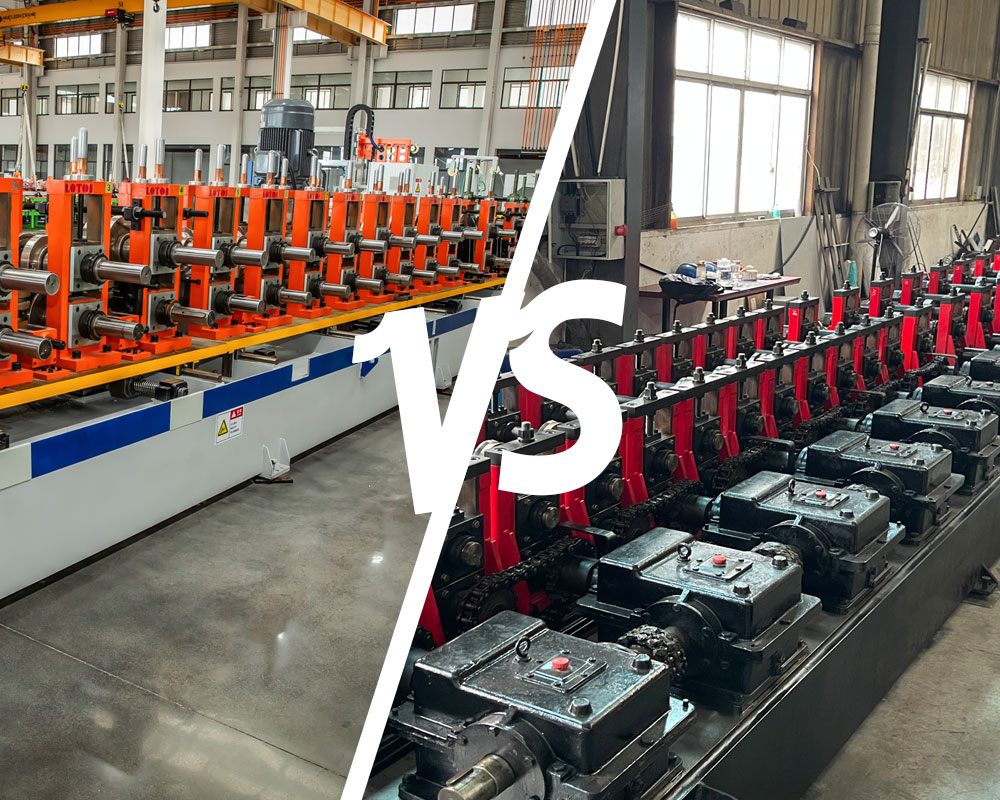
Differences Between CU Solar Channel and Strut Channel Roll Forming Systems
In modern metal fabrication, choosing the right roll forming solution is critical for efficiency and product performance. CU Solar Channel vs Strut Channel roll forming lines is a common comparison for manufacturers serving the solar energy and construction industries. Although both systems use roll forming technology, their design, application focus, and production requirements differ significantly. Understanding these differences helps manufacturers select the most suitable roll forming line for their target market.
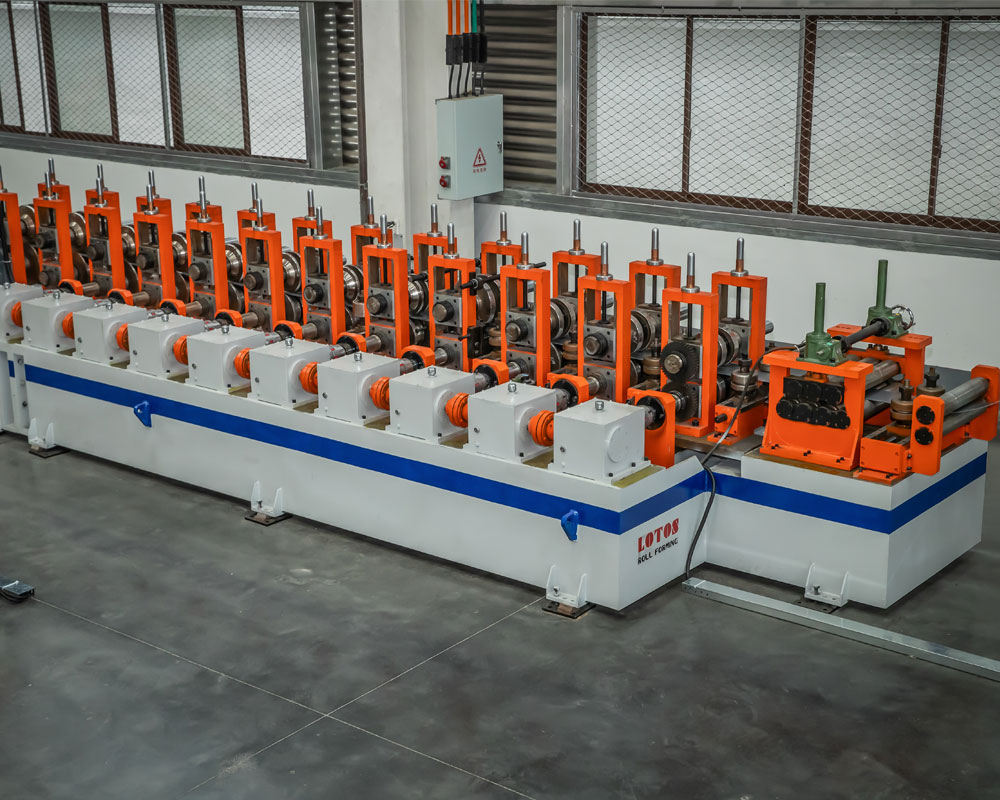
CU Solar Channel Roll Forming Line
CU Solar Channels are mainly used in photovoltaic mounting systems, where precision, corrosion resistance, and structural reliability are essential. These channels support solar panels in ground-mounted and rooftop installations, requiring consistent quality and long-term durability.
CU Solar Channel roll forming lines are engineered to meet the specific standards of the solar industry. They typically feature high-precision roll tooling, automated punching systems, and accurate length control. Materials such as galvanized steel, aluminum, or pre-coated steel are commonly processed to ensure resistance to harsh outdoor environments.
The production process emphasizes dimensional accuracy and smooth surface finish, which are crucial for fast installation and compatibility with solar mounting accessories.
Strut Channel Roll Forming Line
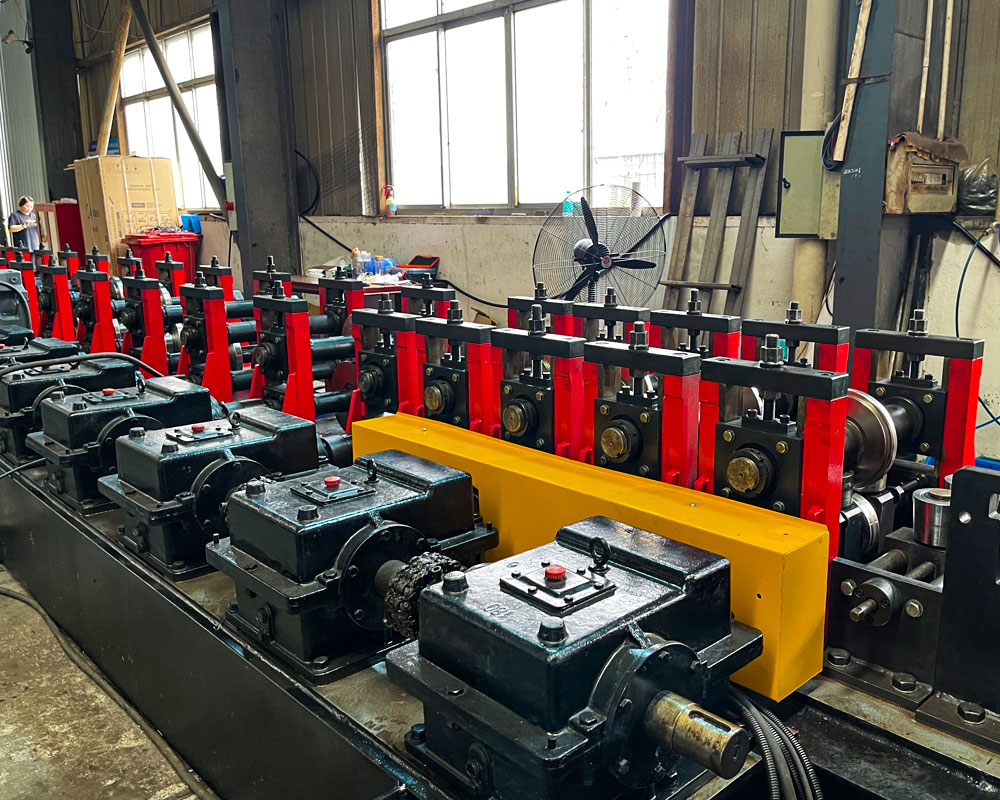
Strut Channels are widely used in construction, electrical, mechanical, and industrial support systems. Their primary function is to provide flexible framing and mounting solutions for pipes, cables, HVAC systems, and equipment supports.
Strut Channel roll forming lines are designed for versatility. They can produce multiple channel profiles, sizes, and thicknesses, often with slotted or perforated designs. These lines can handle a wider range of materials, including mild steel, galvanized steel, and stainless steel, depending on project requirements.
The emphasis in strut channel production is adaptability, allowing manufacturers to serve diverse industries with varying technical specifications.
Main Differences in Design and Application
The key distinction between CU Solar Channel and Strut Channel roll forming lines lies in their application focus. Solar channel lines are optimized for renewable energy projects, where uniformity and corrosion resistance are critical. In contrast, strut channel lines prioritize flexibility and multi-purpose use across different industrial sectors.
Another important difference is tooling configuration. Solar channel machines often use dedicated tooling for a limited range of profiles, ensuring high efficiency and repeatable quality. Strut channel machines usually feature adjustable or interchangeable tooling to accommodate different channel designs.
Production Efficiency and Automation
Both roll forming lines support high-speed production; however, their automation priorities differ. CU Solar Channel roll forming lines are commonly integrated with inline punching, servo control systems, and automatic stacking to support mass production for large solar projects.
Strut Channel roll forming lines may require more frequent setup changes, but they compensate with flexible control systems that allow quick profile adjustments without compromising accuracy.
Choosing the Right Roll Forming Line
Selecting between these two systems depends on your target market and production goals. Manufacturers focused on renewable energy infrastructure benefit from specialized solar channel equipment. Companies serving construction and industrial support markets may prefer the adaptability of strut channel roll forming lines.
Evaluating material type, production volume, profile variety, and automation level is essential before making an investment decision.
Conclusion
Both CU Solar Channel and Strut Channel roll forming lines play crucial roles in their respective industries, providing essential components for solar installations, construction, and infrastructure projects. While CU Solar Channel lines focus on the specific needs of the solar energy sector, Strut Channel lines offer greater flexibility and adaptability for a broad range of structural applications.
When choosing a roll forming line for your business, it is essential to consider the intended application, material requirements, production volume, and customization needs. By understanding the differences between CU Solar Channel and Strut Channel roll forming lines, manufacturers can make an informed decision that aligns with their production goals and market demands.
FAQ:
Strut Channel roll forming lines are widely used in construction, electrical, HVAC, and industrial applications. The channels produced are used for cable management, pipe supports, equipment mounting, and modular framing systems.
CU Solar Channel roll forming lines are mainly used in the solar energy industry. They produce channels for photovoltaic panel support structures, including rooftop and ground-mounted solar systems, where corrosion resistance and dimensional accuracy are critical.
The primary difference lies in their application. CU Solar Channel roll forming lines are designed specifically for manufacturing channels used in solar mounting systems, while Strut Channel roll forming lines are intended for general construction, electrical, and mechanical support structures.