

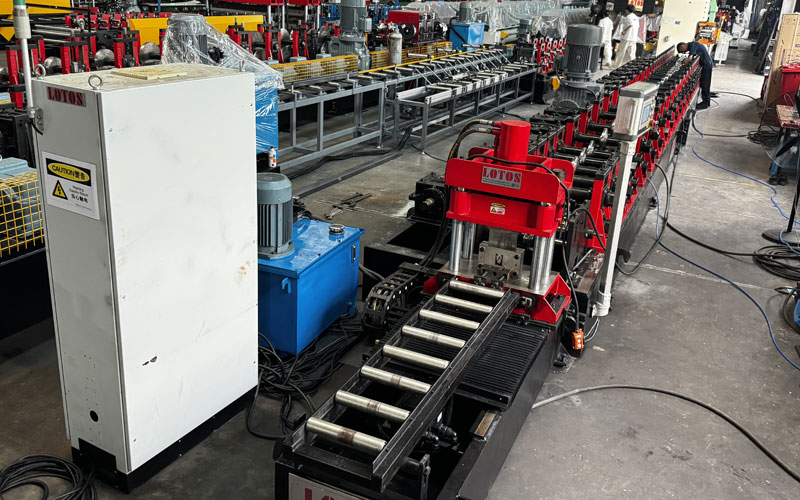
Forming Machines
Forming equipment is a fundamental element of modern metal manufacturing, enabling producers to shape metal materials into precise and functional components with high efficiency. In industries where dimensional accuracy, strength, and repeatability are critical, forming equipment provides reliable solutions for continuous and large scale production. As manufacturing standards continue to rise, advanced forming systems play an increasingly important role in industrial development.
Definition and Industrial Role of Forming Equipment
Forming equipment refers to specialized machinery designed to plastically deform metal into predetermined shapes without material removal. This manufacturing approach preserves material integrity while ensuring consistent cross sectional geometry. Such equipment is widely applied in sectors including automotive, construction, energy, storage systems, and infrastructure.
Common materials processed by forming machines include carbon steel, galvanized steel, stainless steel, aluminum, and high strength alloys.
Types of Metal Forming Equipment
Different production requirements demand specific forming technologies. The most commonly used forming equipment includes:
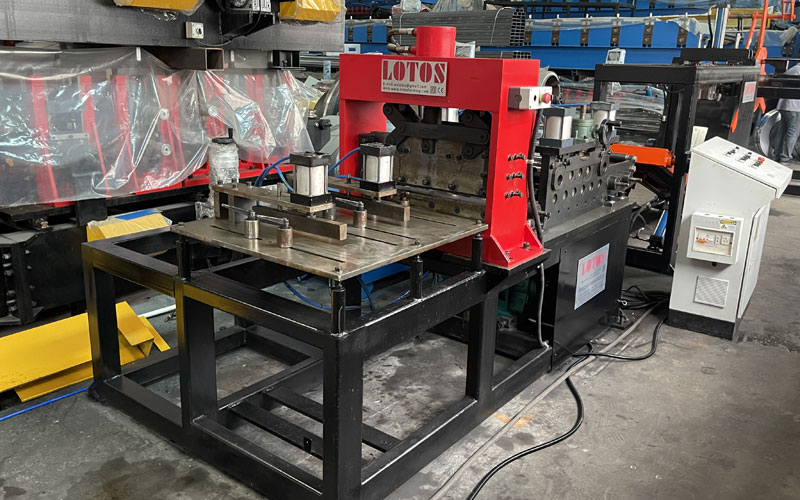
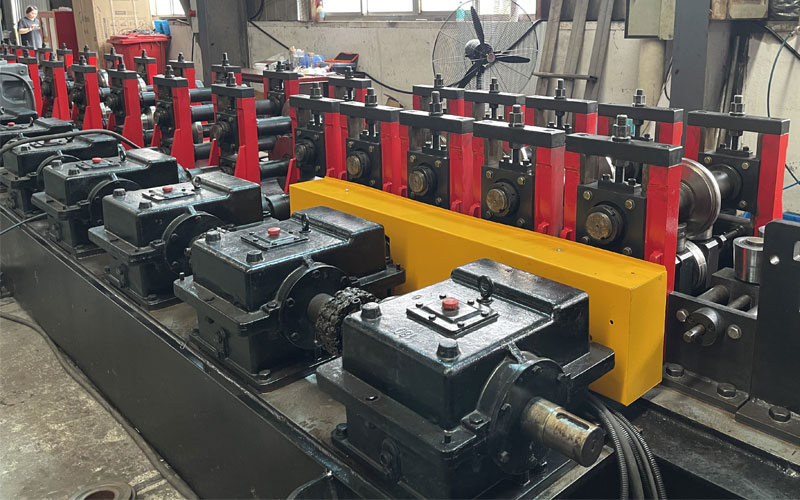
Roll Forming Machines
Roll forming systems are designed for continuous shaping of metal coils into long, uniform profiles. This type of equipment is ideal for high volume production requiring tight tolerances and consistent quality.
Press and Bending Equipment
Press brakes and bending machines apply controlled force to shape metal sheets and plates, commonly used for brackets, frames, and structural elements.
Tube and Pipe Forming Lines
Tube forming equipment transforms flat metal strips into round, square, or rectangular pipes through progressive forming and welding stages.
Profile and Section Forming Systems
Profile forming machines produce customized sections for industrial shelving, cable trays, racking systems, and construction frameworks.
Technical Advantages of Advanced Forming Equipment
Modern forming equipment offers several engineering and operational benefits:
High dimensional accuracy and repeatability
Efficient use of raw materials with minimal scrap
Stable performance during continuous operation
Compatibility with high strength and lightweight materials
Integration with automated punching, cutting, and welding systems
These advantages make forming technology a cost effective and scalable solution for industrial manufacturers.
Key Components of Forming Equipment
A complete forming production line typically consists of:
Coil decoilers and feeding systems
Straightening and leveling units
Multiple forming stations with precision rollers or dies
Drive systems and transmission units
Hydraulic or servo controlled cutting devices
PLC based control and monitoring systems
Safety protection and quality inspection units
Each component is engineered to ensure stable operation and consistent product quality.
Quality Standards and Application Fields
High quality forming equipment is designed in accordance with international standards such as ISO and CE. These systems are widely used in:
Automotive and transportation manufacturing
Building and construction materials
Storage and logistics systems
Electrical cabinets and enclosures
Energy and infrastructure projects
Compliance with technical specifications and long term reliability are critical factors in equipment selection.
Technological Trends in Forming Equipment
The evolution of forming equipment continues to align with modern manufacturing demands. Key trends include:
Increased adoption of servo driven systems
Smart monitoring and Industry 4.0 integration
Equipment optimized for ultra high strength steel
Energy efficient designs with reduced maintenance requirements
These advancements improve productivity, reduce downtime, and enhance overall manufacturing performance.
Conclusion
Forming equipment remains a core technology in metal processing, providing manufacturers with precision, efficiency, and production flexibility. Through advanced mechanical design and intelligent automation, modern forming systems support high quality output across a wide range of industries. With extensive experience and engineering expertise, LotosForming delivers reliable forming equipment solutions tailored to the evolving needs of global industrial markets.