

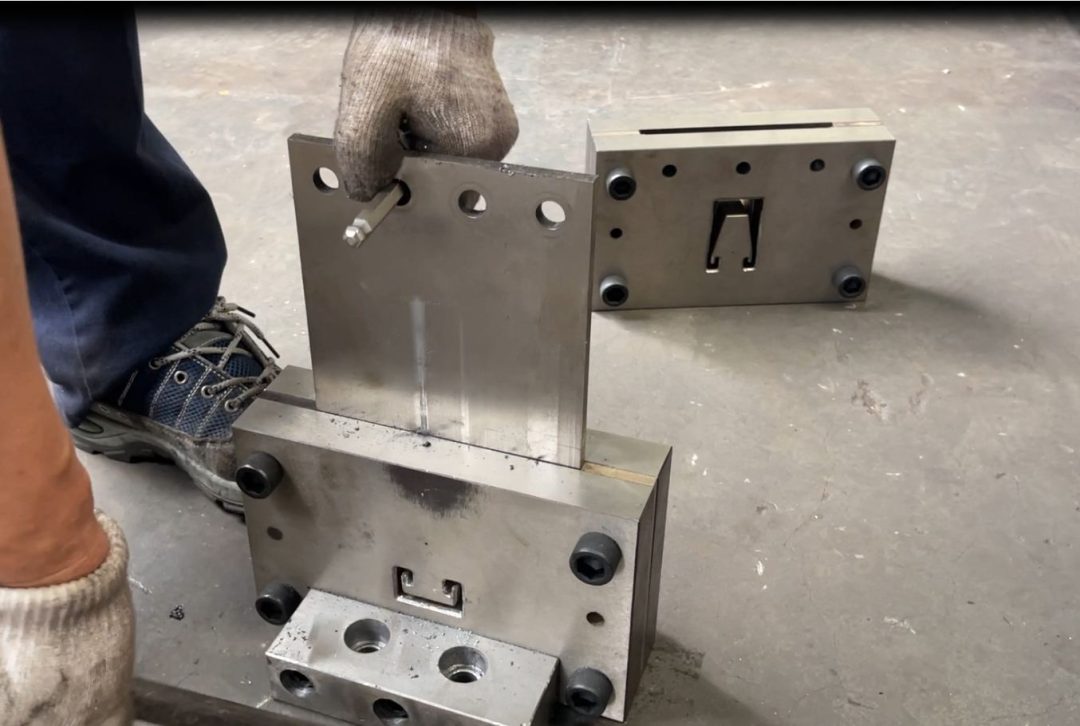
Unistrut Roll Forming Mold Change
Changing molds on a Unistrut roll forming machine is a critical maintenance and production task that ensures dimensional accuracy and consistent product quality. Proper mold replacement allows manufacturers to switch between different Unistrut profiles efficiently while minimizing downtime and preventing equipment damage.
Importance of Proper Mold Replacement
Correctly changing roll forming molds directly affects the final channel shape, tolerance, and surface quality. Improper installation can cause misalignment, excessive wear on rollers, or deformation of the Unistrut channel, leading to production losses and increased maintenance costs.
Machine Preparation Before Mold Change
Before changing Unistrut roll forming molds, the machine must be completely powered off and locked out according to safety procedures. All residual material should be removed from the forming stations, and the shaft, spacers, and mounting surfaces must be cleaned to ensure precise positioning of the new molds.
Removing Existing Unistrut Roll Forming Molds
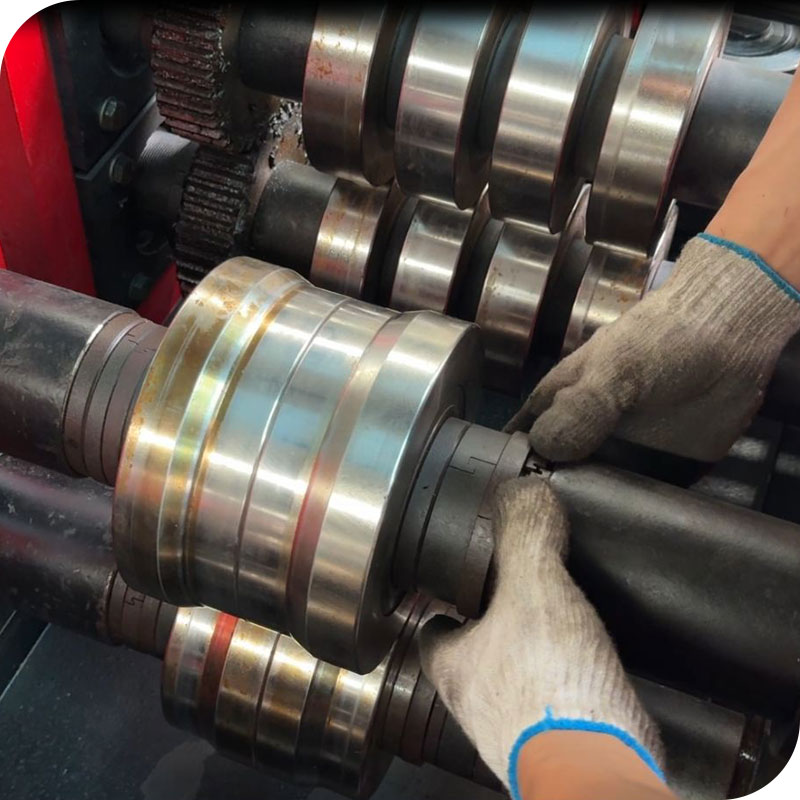
The existing molds should be loosened gradually by removing the fixing bolts or locking nuts in sequence. Rollers must be carefully slid off the shafts to avoid scratching or damaging the shaft surface. Proper handling tools and lifting equipment should be used for heavy molds to maintain safety and accuracy.
Installing New Unistrut Roll Forming Molds
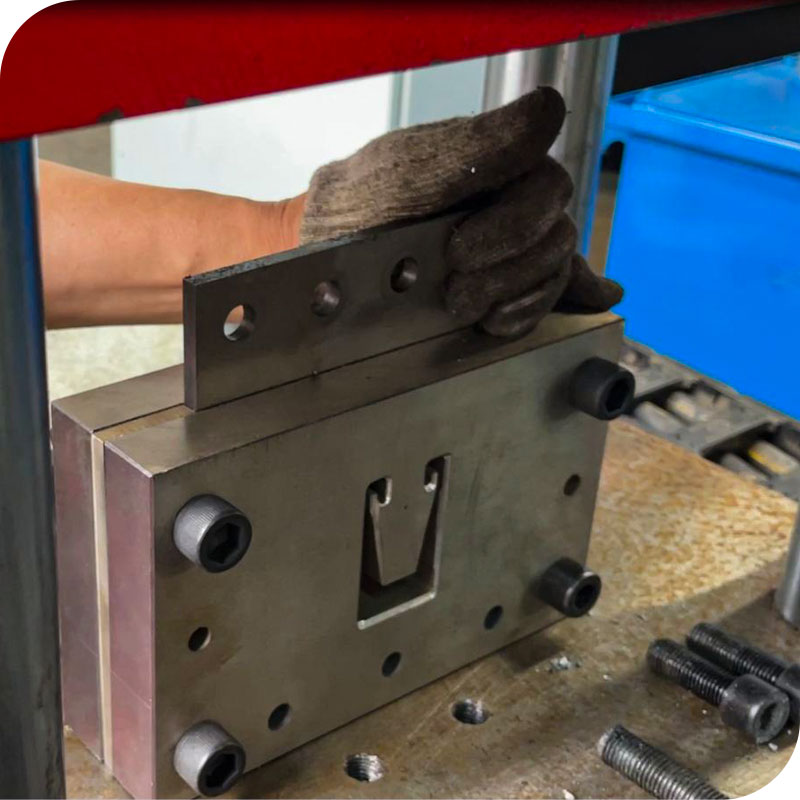
New molds must be installed following the roll forming design layout provided by the manufacturer. Each mold should be aligned correctly on the shaft, with spacers positioned to maintain exact forming distances. Bolts and locking components must be tightened evenly to ensure stable operation during production.
Mold Alignment and Calibration
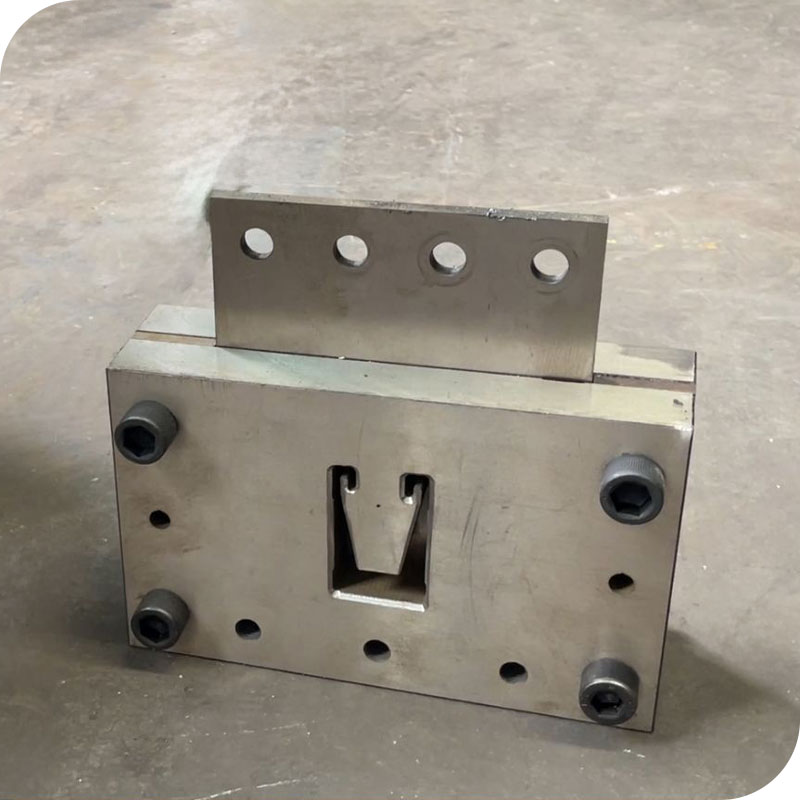
After installation, precise alignment and calibration are required to ensure smooth material flow through the forming stations. Horizontal and vertical adjustments should be checked, and trial runs should be conducted at low speed to confirm correct mold positioning and profile consistency.
Testing and Quality Inspection
Once the mold change is completed, test samples should be produced and inspected for dimensional accuracy, edge quality, and straightness. Any deviation from specifications should be corrected through fine adjustments before full scale production begins.
Maintenance Tips for Long Mold Life
Regular inspection, proper lubrication, and correct storage of Unistrut roll forming molds significantly extend their service life.Using high quality materials and following manufacturer guidelines helps reduce wear and ensures stable performance over long production cycles.
Conclusion
Changing Unistrut roll forming molds is a precise process that requires technical expertise and careful execution. By following standardized procedures and using high quality tooling, manufacturers can achieve efficient profile changes, reduced downtime, and consistent Unistrut channel production with Lotosforming roll forming machines.
FAQ :
Common tools include lifting equipment, torque wrenches, alignment gauges, and safety locks to ensure accurate and safe installation.
Yes, a single Lotosforming roll forming machine can support multiple Unistrut mold sets for different channel sizes and applications.
Molds should be changed when switching to a different Unistrut profile, size, or thickness, or when rollers show wear that affects product accuracy.
Lotosforming provides high precision molds, user friendly machine design, and technical support to ensure efficient Unistrut mold changes and stable production.