
What is the Impact of Material Thickness on Roll Forming?
In roll forming operations, material properties play a decisive role in determining machine configuration, tooling design, and overall production efficiency. Understanding how different materials behave under deformation is essential for designing a reliable and high-performance roll forming machine. For manufacturers such as Lotosforming, aligning machine design with material characteristics ensures precision, durability, and consistent product quality.
Importance of Material Properties
The mechanical and physical properties of the input material directly affect the forming process. Key parameters include:
- Yield Strength and Tensile Strength: Materials with higher strength require greater forming forces and more robust machine structures. Roll tooling and shaft design must accommodate increased loads to prevent deformation or failure.
- Ductility: Materials with low ductility are more prone to cracking during forming, requiring gradual forming steps and optimized roll pass design.
- Elasticity and Springback: High strength steels tend to exhibit significant springback, which must be compensated through precise roll design and over-bending strategies.
- Thickness and Width Tolerance: Variations in material thickness influence forming pressure and final profile accuracy, necessitating adjustable roll gaps and precision control systems.

Impact on Roll Forming Machine Design
1. Roll Tooling Design
Material characteristics dictate the geometry and sequence of roll passes. Harder materials require more forming stations to distribute strain gradually, reducing stress concentration and extending tool life. Tooling materials and surface treatments must also be selected to resist wear and maintain dimensional accuracy.
2. Machine Structure
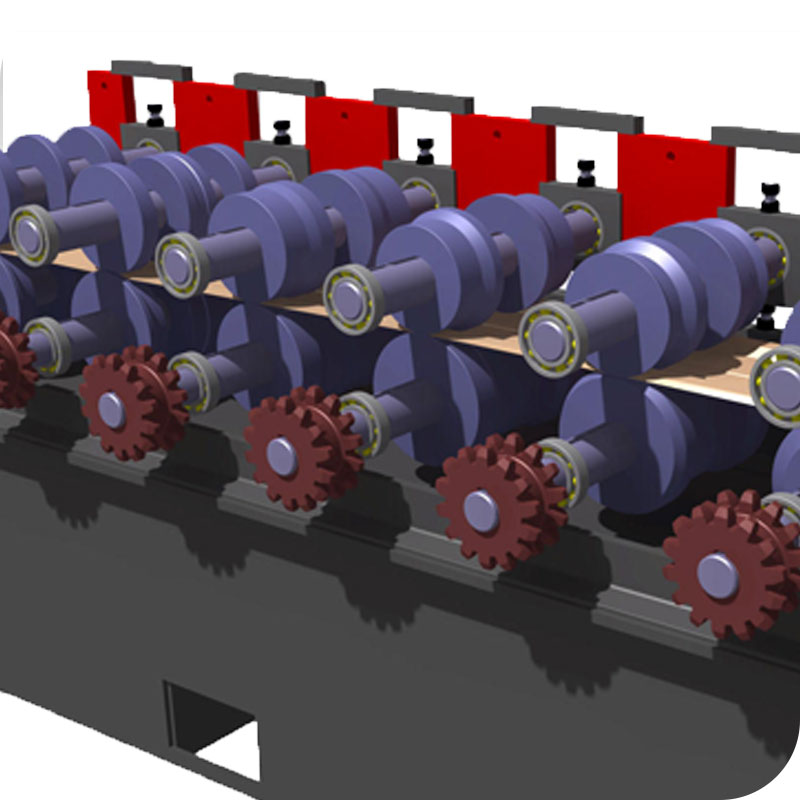
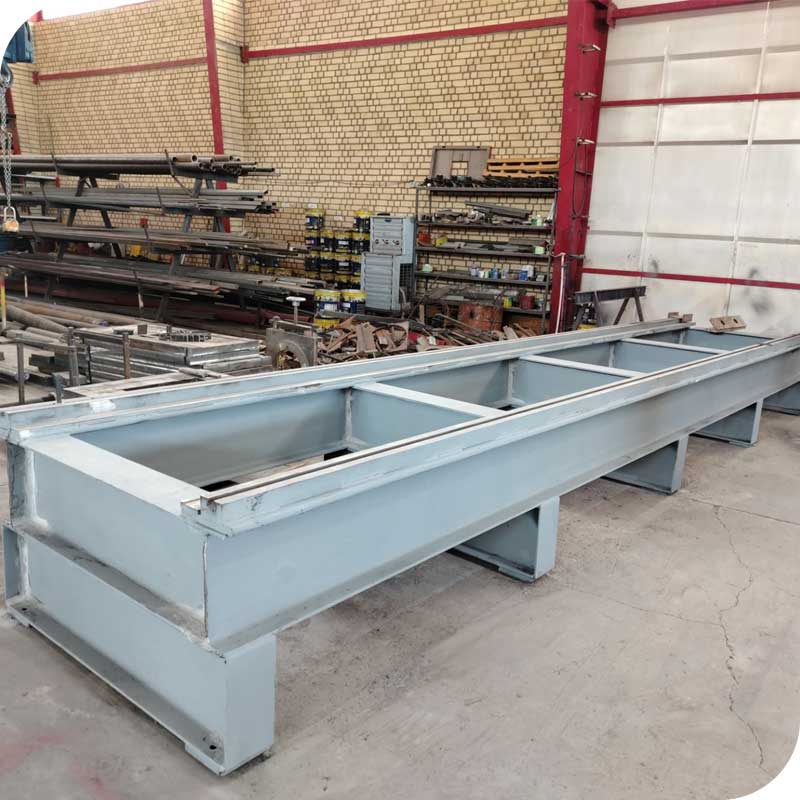
The rigidity of the roll forming machine is critical when processing high strength materials. Frames, shafts, and bearings must be designed to withstand increased loads without deflection. A stable structure ensures consistent forming and reduces vibration during high-speed production.
3. Drive System and Power Requirements
Stronger materials demand higher torque and motor power. Gearboxes and transmission systems must be selected accordingly to ensure smooth operation under load conditions. Efficient power distribution contributes to both productivity and energy savings.
4. Forming Speed and Production Efficiency
Material type influences optimal forming speed. Softer materials can be processed at higher speeds, while high strength or brittle materials may require reduced speeds to prevent defects such as cracking or edge waviness.
5. Lubrication and Surface Protection
Friction between rolls and material varies depending on the material type and coating (e.g., galvanized, stainless steel). Proper lubrication systems and roll coatings are essential to minimize wear, prevent surface damage, and ensure smooth forming.
Material Types and Design Considerations
- Mild Steel: Easy to form, requires fewer stations, and allows higher production speeds.
- High-Strength Steel (HSS): Requires reinforced machine structure, additional forming passes, and precise springback compensation.
- Stainless Steel: Demands specialized tooling materials and surface treatments due to higher hardness and corrosion resistance.
- Aluminum: Lightweight and ductile, but requires careful handling to avoid surface scratches and deformation.
Role of Advanced Engineering
Modern roll forming machine manufacturers integrate simulation software and finite element analysis (FEA) to predict material behavior during forming. This allows engineers to optimize roll pass design, reduce trial-and-error, and improve overall machine performance. Automation systems further enhance adaptability, enabling quick adjustments for different materials.
Lotosforming Expertise
Lotosforming designs and manufactures advanced roll forming machines tailored to a wide range of materials and applications. By combining engineering expertise with high quality components, Lotosforming ensures that each machine delivers optimal performance, durability, and precision regardless of material complexity.
Conclusion
Material properties are a fundamental factor in roll forming machine design. From tooling geometry to machine strength and control systems, every aspect must be carefully engineered to match the material being processed. A deep understanding of material behavior enables manufacturers like Lotosforming to provide efficient, reliable, and high-precision roll forming solutions for diverse industrial needs.