

Forming Technique in Modern Metal Manufacturing
Forming technique is a fundamental process in metal manufacturing that involves shaping raw metal materials into specific profiles and structures without removing material. Instead of cutting or machining, forming relies on controlled deformation to achieve the desired geometry. This method is widely used in industries such as construction, automotive, energy, and industrial equipment manufacturing.
At LOTOSFORMING, advanced forming technologies are developed to ensure high precision, stability, and efficiency in production lines, especially for roll forming systems and continuous metal processing solutions.
What Is Forming Technique?
Forming technique refers to a group of manufacturing processes where metal is plastically deformed under pressure to achieve a required shape. The material is reshaped while maintaining its volume, allowing for efficient production with minimal waste.
Common forming methods include:
- Roll forming
- Press forming
- Bending
- Stretch forming
- Deep drawing
Among these, roll forming is one of the most widely used techniques for producing long, consistent metal profiles.
Importance of Forming Technique in Industry
The forming process plays a vital role in modern industrial production due to its efficiency and versatility. Key advantages include:
- High production speed
- Excellent material utilization
- Consistent product quality
- Reduced material waste
- Capability to produce complex cross-sections
These benefits make forming techniques essential for large scale manufacturing operations.
Metal Forming Techniques and Processes
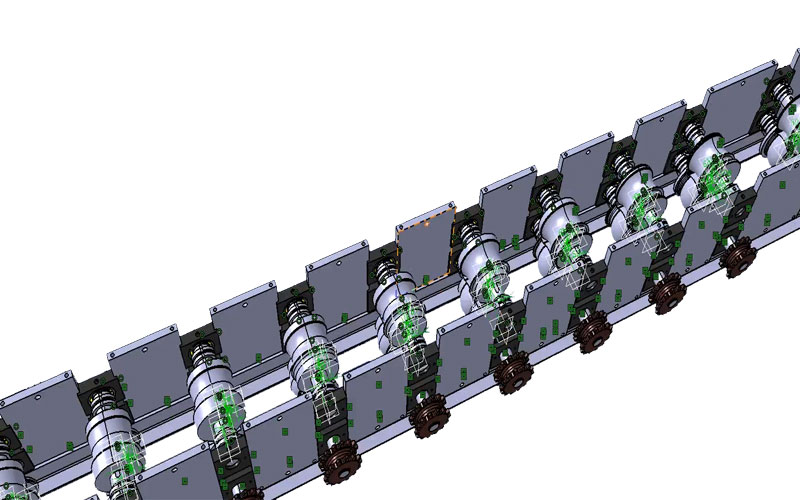
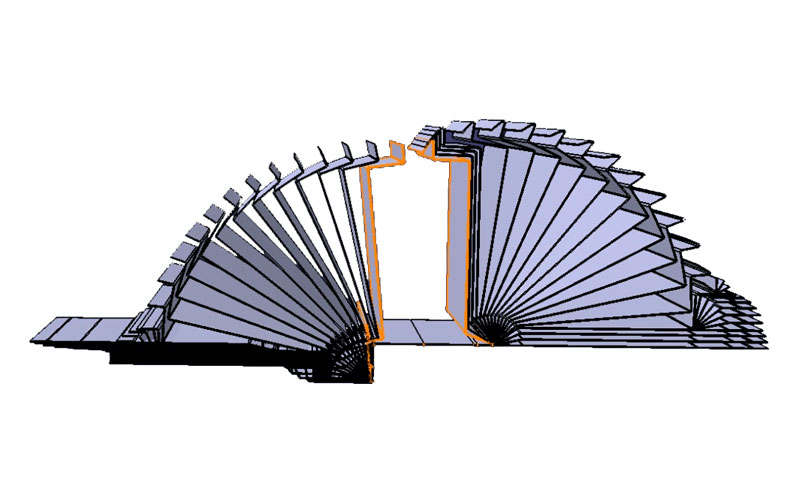
Roll forming is a continuous forming process where metal strip passes through a series of rollers, each performing incremental bending. This gradual deformation ensures accuracy and structural integrity.
Applications of roll forming include:
- Solar mounting structures
- Steel construction profiles
- Automotive components
- Cable trays and support systems
- Roofing and wall panels
LOTOSFORMING specializes in designing roll forming lines that deliver stable performance even under high speed production conditions.
Advanced Forming Technology
Modern forming systems require precision engineering and automation. LOTOSFORMING integrates advanced features into its production lines, including:
- CNC controlled roll stations
- High strength roller materials
- Automatic thickness adjustment systems
- Real time monitoring and control systems
- Custom profile design capability
These technologies ensure accurate shaping, reduced downtime, and improved operational efficiency.
Challenges in Forming Processes
Despite its advantages, forming technique requires careful control to avoid defects such as:
- Springback deformation
- Surface cracking
- Uneven thickness distribution
- Profile misalignment
To address these challenges, modern forming lines rely on precise engineering design and simulation-based optimization.
Applications of Forming Technique
Forming techniques are widely used across multiple industries:
- Renewable energy (solar structures)
- Steel construction systems
- Transportation infrastructure
- Industrial machinery frames
- Storage and logistics systems
Each application requires specific profile accuracy and mechanical strength, which is achieved through customized forming solutions.
Conclusion
Forming processes remain essential in today’s industrial manufacturing, offering an efficient and reliable way to produce complex metal profiles. With continuous innovation and engineering development, production lines are becoming more precise, stable, and cost-effective.
FAQ:
The main types include roll forming, press forming, bending, deep drawing, and stretch forming.
Common materials include steel, stainless steel, aluminum, copper, and other ductile metals suitable for plastic deformation.
Forming techniques are used in construction, automotive, solar energy, industrial machinery, and infrastructure industries.
Typical issues include springback, surface cracking, uneven thickness, and profile distortion if the process is not properly controlled.
Forming technique is a manufacturing process that shapes metal into desired profiles through controlled deformation without removing material.