Levelling Machine in Roll Forming Process
- Home
- Levelling Machine in Roll Forming Process
Leveling Machine
The leveling machine ensures that the material fed into the roll forming line is flat and free of any bends, waves, or other irregularities. This preparation is essential for producing high-quality, consistent roll-formed products.
By removing imperfections in the material, the leveling machine helps to prevent defects in the final roll-formed product, such as uneven surfaces or misaligned profiles.
The leveling machine typically consists of a series of upper and lower rollers through which the material passes. These rollers apply pressure to the material, bending it alternately in opposite directions to gradually eliminate any distortions.
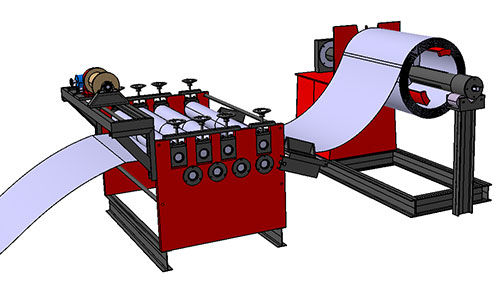
Types of Leveling Machines:
Precision Levelers: Used for applications requiring extremely flat materials, precision levelers feature a higher number of closely spaced rollers. These machines are ideal for thin or delicate materials where precision is critical.
Heavy-Duty Levelers: Designed for thicker materials, heavy-duty levelers have fewer, more robust rollers capable of handling the greater force required to straighten thicker, more rigid materials.
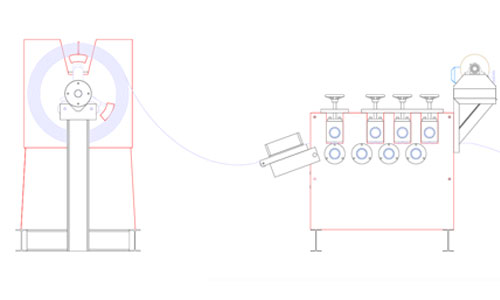
Leveling Machine in Coil Processing Process
Before the material reaches the roll forming machine, it passes through the leveling machine. This step is crucial because any imperfections in the material could lead to issues during the roll forming process, such as inaccurate bending, misalignment, or even damage to the tooling.
In modern roll forming lines, the leveling machine is often integrated with other equipment, such as uncoilers and feeders, to create a seamless, automated production process. This integration helps to maintain consistent material quality and optimize production efficiency.
By ensuring that the material is flat and straight, the leveling machine makes it easier to handle and process in subsequent stages of the roll forming line.Different materials require different leveling settings, so operators must carefully adjust the machine to match the material being processed. Incorrect settings can lead to over-stretching or insufficient flattening of the material.
The leveling machine is an essential component of the roll forming process, ensuring that the material is in optimal condition before it undergoes further shaping. By correcting any initial imperfections, the leveling machine helps to produce high-quality, consistent roll-formed products while enhancing the overall efficiency and reliability of the production line.
FAQ:
The material passes between upper and lower work rolls arranged in an offset pattern. The strip is subjected to repeated bending in alternating directions, with the bending intensity gradually decreasing toward the exit. This plastically deforms the material beyond its yield point and releases internal stresses, producing a flat, stress-balanced strip.
The number of rolls depends on the material thickness, strength, and the required flatness. Common configurations range from 5 to 23 rolls or more. A greater number of smaller rolls generally yields better flatness, especially for thin or high-strength strip.
Capacity varies by model. Machines are available for thin gauge strip through to heavy plate, with working widths from narrow strip to wide coil. The thickness, width, and yield strength limits should be confirmed against the specification of each machine.
Inspect work rolls and backup rolls for wear and surface damage, lubricate bearings and drive components according to the manufacturer’s schedule, keep rolls free of dust and debris, and check roll alignment and gap settings regularly.
Consider the material type, thickness, width, and yield strength, the required flatness tolerance, line speed, available space, and the level of automation needed. For specific recommendations, please contact LotosForming with your technical requirements.
Don’t forget subscribe to our youtube channel :