Product description
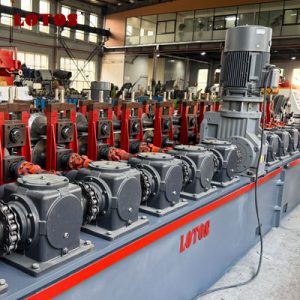
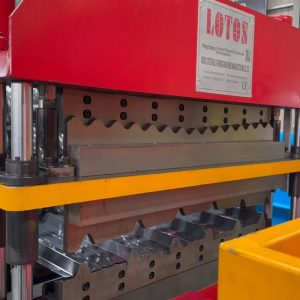
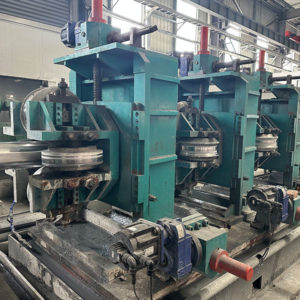
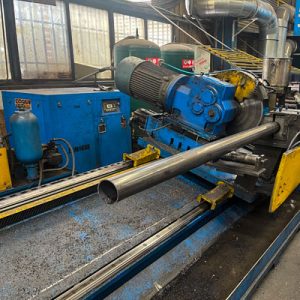
FFX FORMING TECHNOLOGY TUBE MILL
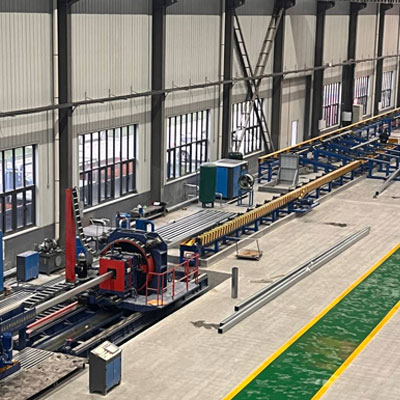
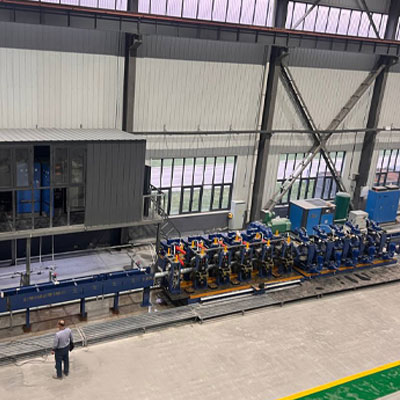
Designed for manufacturers requiring high productivity and flexible production, the LT(273) FFX Tube Mill can process a wide range of steel grades and pipe specifications. Its intelligent forming system ensures stable operation, accurate dimensions, superior weld quality, and smooth surface finishes, making it suitable for structural, construction, automotive, oil & gas, and industrial applications.
Working flow
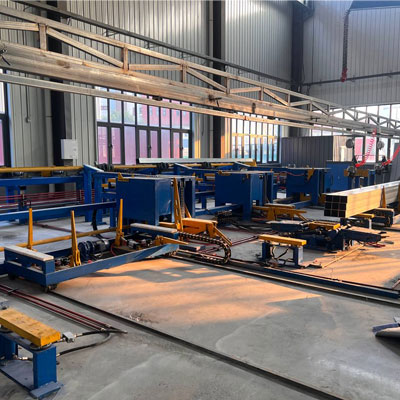
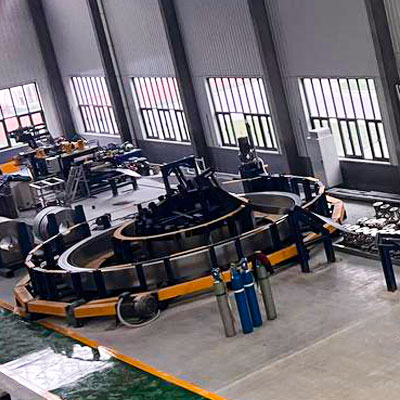
Raw material (steel coil) → hydraulic decoiler+loading cart → shovel feeder+leveling → shearing and butt-welding → Floor-mounted accumulator→ mill-forming→ high frequency welding→ removing burrs outside of weld seam → cooling → sizing→ Turkish head→cold cutting saw → roller conveyor → auto stacker
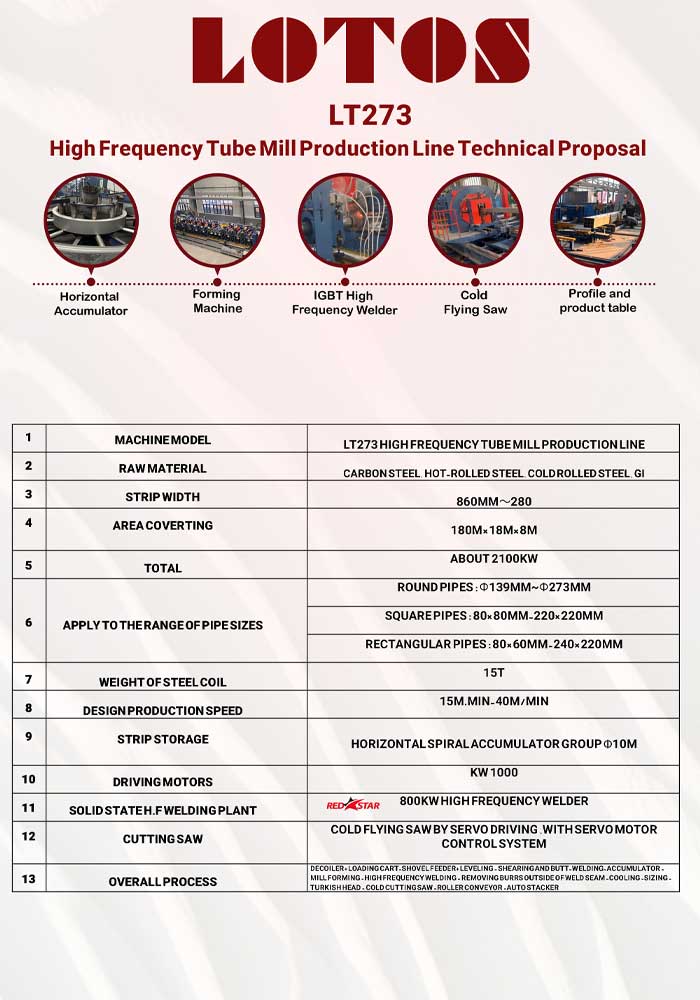
Ⅰ. Produce capacity
No. | Item | Working range | Remark |
1 | O.D of round tube | Φ139mm~Φ273mm | |
2 | Square tube size | 80×80mm-220×220mm | |
3 | Rectangular tube size | 80×60mm-240×220mm | |
4 | Tube thickness | 3.0mm~8.0mm | |
5 | Produce speed | 15-40m/min | |
6 | Pipe Length | 6M~12M |
Ⅱ. Steel strips specification
No. | Item | Working range | Remark |
1 | Thickness of strips | 3.0mm~8.0mm | Material: Carbon steel, Hot-rolled steel, Cold-rolled steel, GI |
2 | Width of strips | 280mm~860mm | |
3 | O.D. of steel coil | ≤Φ2000mm | |
4 | I.D. of steel coil | Φ610mm | |
5 | Maxi. load weight | ≤15000kgs |
FAQ:
Yes. The LT(273) FFX Forming Tube Mill Line features a PLC-controlled automation system with an HMI touch screen, enabling easy operation, real-time monitoring, and stable production.
The machine is widely used in industries such as:
- Construction
- Structural steel fabrication
- Oil and gas
- Water transmission
- Automotive
- Mechanical engineering
- Infrastructure projects
FFX (Flexible Forming) technology allows multiple pipe sizes to be produced with fewer forming rolls. This minimizes roll changes, shortens setup time, improves production flexibility, and reduces overall operating costs.
Key advantages include:
- Reduced roll inventory
- Faster product size changes
- Lower tooling investment
- Higher production efficiency
- Improved tube quality
- Reduced downtime